

Sharing content across channels is a top 5 marketing trend in 2026, according to HubSpot’s State of Marketing report. The brands that will do this successfully with the best ROI will focus on amplification, not just copy/paste repurposing.

Learn how to get the most mileage from your brand‘s owned media, earned media, and user-generated content with smart content amplification. These strategies and tools teach the exact frameworks, tools, and tips that help brands scale smarter. Let’s go!
Table of Contents
- What is content amplification?
- Benefits of Content Amplification
- Pain Points of Content Amplification
- Content Amplification Strategies
- Social Amplification and Brand Amplification Tactics
- Content Amplification Tools and Platforms to Consider
- How to Measure and Optimize Content Amplification
- Content Amplification Templates You Can Use Now
- Content Amplification Examples You Can Steal
- Frequently Asked Questions About Content Amplification.
What is content amplification?
Content amplification is the process of distributing content across channels (social media, website content, email marketing, paid advertising) to extend reach, generate engagement, and make content discoverable. Unlike content repurposing, which changes a piece of content’s format, content amplification focuses on scaling distribution and impact, creating a data-led feedback loop.
In HubSpot’s Loop Marketing model, amplification is the third stage: content performance data (clicks, shares, and conversions) feeds future content creation, personalization, and redistribution.
Amplification is more important than ever as discovery moves beyond Google to include social platforms and LLM bots (ChatGPT, Gemini, Perplexity). Here are a few examples:
Content Amplification Examples by Format
|
Original Content Format |
Example Amplification Efforts |
Loop Signal Generated |
|
Long-form YouTube video |
Turn transcript and screenshots into a blog post |
Search traffic, on-page engagement, content performance data |
|
Written blog post |
Use as basis for a podcast episode |
New audience reach, subscriber growth, lead generation |
|
LinkedIn carousel |
Turn into an automated email sequence |
Click-through rates, lead engagement, nurture performance |
|
Photos of a live in-person event |
Post on social media and run paid ads for next event |
Demand signals, ad performance data, event interest |
Benefits of Content Amplification
Successful content amplification efforts result in more marketing data, new audiences, and improved discovery across channels. The following benefits await teams that do this well.
Generate engagement for a data-led feedback loop.
A data-led feedback loop in content amplification occurs when performance metrics from distributed content, such as clicks, shares, and conversions, inform which assets to amplify further and guide future content creation.
The 80/20 rule suggests that 80% of marketing’s impact often comes from 20% of the efforts. An amplification-first strategy helps marketers identify the content that generates the most engagement (clicks, shares, conversions) and use those signals to create a data-led feedback loop.
Example: Instead of running ads to untested content in a new campaign, marketers will wait to see which content organically generates the most engagement and amplify those assets with paid ad spend.
Reach new audiences.
Content amplification extends audience reach by distributing proven content across platforms where target audiences actively engage, rather than relying on a single channel for discovery. With the average social media user engaging with more than six different social platforms per month, brands need to distribute content in different formats across platforms to reach new viewers. But not all content can be simply re-shared across all platforms. Instead, marketers leveraging a content amplification strategy review the top-performing content and tailor it for amplification across channels.
Example: Taking top-performing TikTok content and republishing as a series of trial reels on Instagram to reach Instagram-only audiences and gather engagement data.
Tools help make this process more efficient. Using HubSpot’s Breeze Content Remix tool, a single blog post can be remixed into content for multiple platforms:

Improve search and AI discovery.
Content amplification improves discoverability by creating multiple touchpoints across search engines, social platforms, and AI answer engines, increasing the likelihood that target audiences encounter brand content. Amplifying a brand’s most-engaged content increases the chances of appearing in search results. This moves beyond Google SERPs: social media platforms increasingly act as search engines.
AI answer engines also scrape and cite answers from all sources, giving engaging content across the web the power to drive traffic. As a result, a single search query can now surface multiple assets from the same brand.
Example: Most Google queries pull more than just owned media from a brand‘s website. SERPs also include social media posts, sometimes with an entire dedicated social media section in Google’s “What people are saying” module:
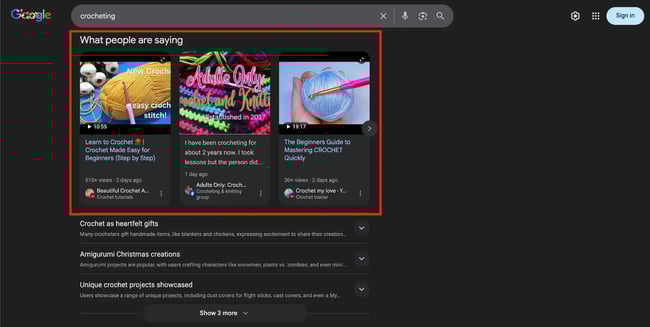
To capitalize on this multi-platform discovery, brands can amplify high-performing content into formats optimized for AI citation. For example, taking FAQs from a top-performing blog post and distributing them as short-form FAQ videos across search and video platforms increases the likelihood of citation in AI-powered search tools like ChatGPT, Gemini, and Perplexity.
Pain Points of Content Amplification
Confusion over which amplification tools deliver the best ROI.
With so many marketing tools offering AI, automation, and amplification, marketers struggle with weighing the benefits against the costs and ROI. Many platforms assist with parts of the amplification process, but few clearly connect amplification efforts to revenue.
Tools are foundational to 2026 trends: in HubSpot’s 2026 State of Marketing report, 48.6% of marketers said that they were using AI to create personalized content. Another 47.4% said they were leveraging automation to improve the efficiency of their marketing processes. However, increased tool adoption does not automatically translate into clearer performance measurement.
Amplification is a routine part of my job as a freelance marketing manager. I’ve found that the most effective tools gather data and assist with amplification, but none can completely replace human selection while maximizing ROI. I’ll share exact recommendations below.
Lack of clear measurement tied to revenue.
The multi-touch nature of modern digital marketing complicates attribution and clarity around what drives revenue. To address this, marketers need to look beyond first-touch and last-touch attribution models.
This pain point is reduced by using attribution tools that track interactions across channels, helping teams understand the full journey that leads to a sale and measure how amplification contributes to revenue.
Difficulty repurposing content for multiple channels.
Many brands struggle to amplify content effectively across platforms. Different social media tools offer bulk cross-posting, but poor execution results in reduced engagement.
A checkbox approach reflects content repurposing without strategy, rather than intentional content amplification. It’s best to use tools that are tailored for thoughtful amplification, like HubSpot’s Breeze AI, which generates personalized content at scale while ensuring the output remains deeply aligned.
Tailoring content to match a platform’s format and context takes time. This is why I recommend one of the amplification strategies below rather than amplifying everything everywhere all at once.
Content Amplification Strategies
Effective content amplification strategies fall into four categories: performance-based, brand-focused, community-driven, and earned media. The following strategies offer diverse approaches for deciding which content to amplify for maximum results.
Amplify content based on performance thresholds.
This is a widely used amplification strategy: doubling down on the content marketing that’s driving results. It capitalizes on organically-generated momentum, user interests, and trends. Some easy ideas include:
- Blog post reaches 5,000 views in the last 30 days? Amplify the message to the email list.
- Pinterest pin reaches 100 shares in the last month? Amplify as an Instagram reel.
- Lead magnet attracts 35% more people from search? Amplify as a LinkedIn post.
Remember that this is different from content repurposing, where content is adapted into new formats across marketing channels. Marketers must still follow repurposing fundamentals, like tailoring content to fit each platform‘s format. But by amplifying content from your brand’s ecosystem that’s already met key performance indicators (KPIs), marketers let engagement and performance data guide what to amplify.
I think this is a great first step in amplification for a marketing team to make, as it follows the 80/20 while creating a feedback loop that supports the Evolve stage of Loop Marketing.
Amplify content that emphasizes differentiators and solidifies branding.
Differentiation is important for brands at the amplification stage because undifferentiated content fails to generate strong marketing loop data. Step one of the marketing loop is to express who you are. Without this step reflected in amplified content, the marketing loop doesn’t gather the same data.
Why differentiation matters for amplification: Consider two Amazon sellers with identical Alibaba-sourced products that use the same stock photos. When they amplify content, viewers can’t distinguish between the two brands, making it nearly impossible to build recognition or loyalty. Without clear differentiation, amplification efforts generate impressions but fail to create meaningful brand associations that drive repeat engagement or conversions.
Ways to apply this strategy:
- Use AI to create personalized content (instead of outsourcing brand voice). Marketers using AI to create personalized content was the top 2026 trend from our State of Marketing report.
- Amplify well-branded content. Keep every touchpoint branded, consistent, and clearly defined so audiences recognize and remember the brand.
- Highlight differentiators. Consider product features, differentiators of your ideal customer, or brand values. According to our State of Marketing report, 47% of marketers are creating content that reflects brand values in 2026.
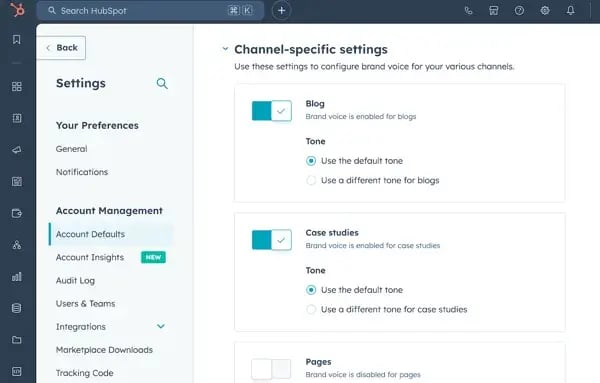
Get help with defining brand voice across platforms within HubSpot’s Content Hub:
Amplify validated content within niche online communities.
After content has reached performance thresholds, consider amplifying it within niche communities. Examples of some of these channels include:
- Reddit, Quora, and dedicated niche forums
- Private Facebook groups
- Company-owned forums or social media groups
Feedback from niche communities also fuels the Evolve stage of Loop Marketing. It provides data, behavioral signals, and insights into the target audience that teams can use to refine future content.
These communities can be direct sources of customer insight, like this example from Instant Pot’s community:
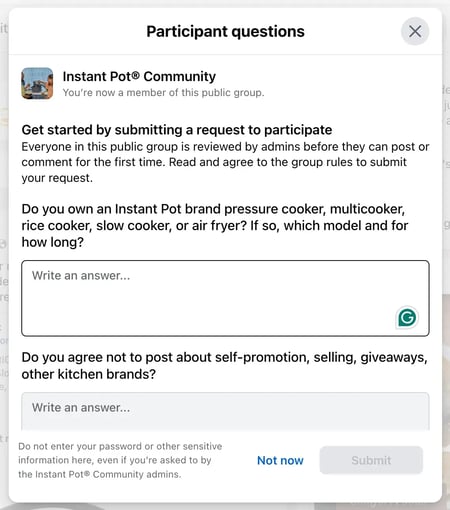
I like seeing brands leverage niche groups in 2026. I’m in groups for several companies, and it feels community-focused rather than sales-focused.
Amplify earned media or exposure.
Positive earned media (like organic celebrity recommendations, a magazine product review, or the founder being interviewed in a respected media outlet) is very powerful when amplified across a brand’s owned channels. This impartial exposure is often more trustworthy to viewers than brand-generated marketing.
Brands can amplify positive earned media in these ways:
- Sharing exposure with new email subscribers
- Pinning to the top of their social media profiles (Instagram, TikTok, LinkedIn, and X offer this feature)
- Leverage the authority boost on their website, social media bios, and email footers
For example, the brand See The Way I See had a positive Shark Tank appearance and leverages this on its website:
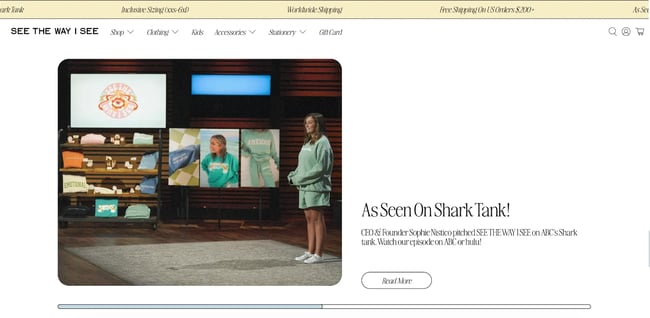
When I reflect on my experience as a consumer, I can think of several purchases that I made specifically after seeing a brand amplify its exposure in earned media outlets. This works alongside branded marketing messaging and can support all stages of a brand’s sales funnel.
I’ll share more real-life examples of this below.
Social Amplification and Brand Amplification Tactics
Amplification is an important part of any social media marketing strategy. Try these four strategies for amplifying existing content across different social media channels.
Encourage user-generated amplification.
Getting viewers to organically amplify your content on social media creates a more powerful ripple effect than amplifying it yourself. It stimulates social media algorithms and exposes content to a broader audience. This activity increases user engagement, impressions, and data, feeding the Marketing Loop.
Brands can encourage user-generated amplification by including clear sharing calls to action (CTAs) and analyzing which content formats are most frequently shared, then creating more content aligned with those patterns.
Amplify user-generated content (UGC).
Like earned media, user-generated content (UGC) can be very effective because it reflects objective user experiences. Brands can amplify UGC in a few simple ways:
- Reshare UGC across social media channels
- Run ads to a piece of organic UGC (called creator whitelisting or authorized ads)
- Highlight UGC on product or landing pages
Amplified UGC generates engagement and trust signals that feed the Amplify and Evolve stages of the Marketing Loop, helping teams identify which messages resonate most with real customers. Here’s an example of whitelisting on Facebook from the brand Warby Parker:

Use comments as an amplification tool.
Comments are one of the simplest ways for marketing teams to amplify content. While every social media platform has its own unique algorithm, comments generally stimulate it and increase visibility and distribution.
Follow these steps to easily amplify social media content through comments:
- Reply to all viewer comments, even with a simple emoji
- Thoroughly answer all product/offer questions
- Turn high-engagement comments or questions into follow-up posts
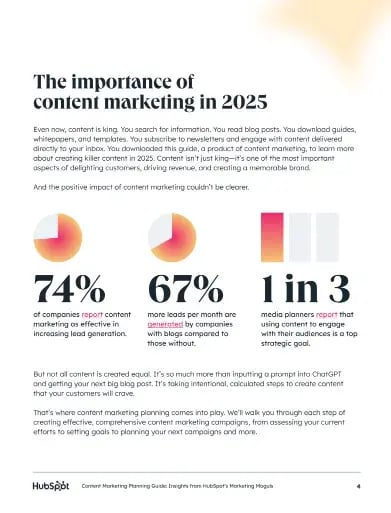
HubSpot’s original research has found that 1 in 3 media planners report using content to engage with their audiences as a top strategic goal (read more in our content marketing planning kit).
Yet I see brands ignore comments on social media all the time. Sometimes it‘s a bot leaving a spam comment that needs to be deleted. Other times, it’s someone asking a question about a product and being ignored. Either way, it shows viewers that the marketing team isn’t actually paying attention to their social media.
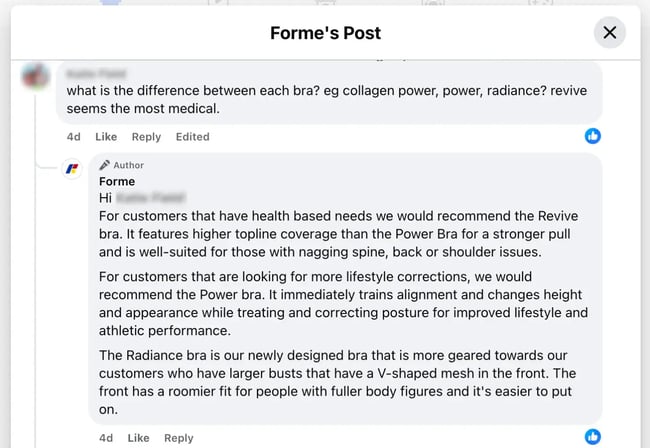
Here’s a positive example from the brand Forme, where the marketing team provides detailed answers to customer questions. This increases the odds of that viewer converting, and since that comment is visible to everyone, it also provides additional information to all potential customers.
Follow up with users using retargeting ads.
Amplifying content to users who have already liked, saved, or commented on your social media posts helps reinforce interest and move audiences further through the Marketing Loop. Retargeting ads are one of the most common and effective forms of content amplification because they build on existing engagement signals rather than starting from scratch.
Using HubSpot’s Marketing Hub, teams can create retargeting audiences based on content engagement and sync those audiences to social ad platforms, making it easier to amplify high-performing content to users who are most likely to convert.
Content Amplification Tools and Platforms to Consider
HubSpot’s Content Hub
HubSpot’s Content Hub helps teams create, manage, and distribute content across channels, with built-in AI assistance to speed up execution. By centralizing content creation and performance data, Content Hub makes it easier to repurpose and amplify content without switching between tools.
Price: Paid plans start at $9/month
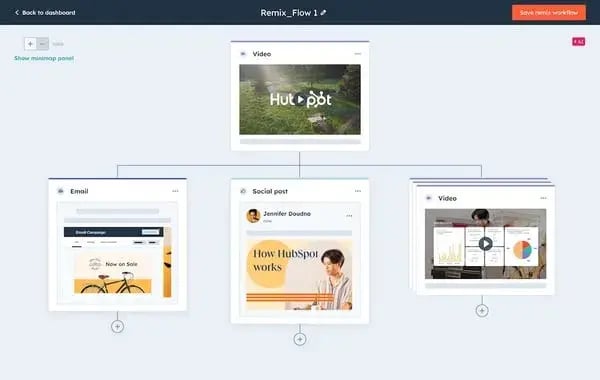
Content Hub also includes Breeze Content Remix, which helps teams turn a single piece of long-form content into multiple shorter assets. This reduces the time required to prepare content for distribution.
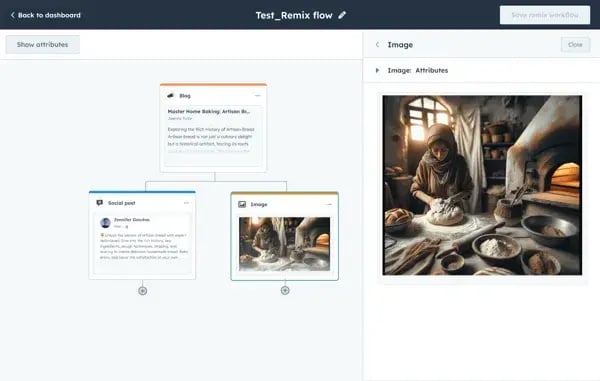
Key Content Hub features that support amplification:
- AI-assisted writing to draft, refine, and adapt content faster
- Breeze content remix to generate multiple assets from one core asset
- Centralized content management across owned channels
- Built-in performance insights to identify content worth amplifying
- Integration with HubSpot’s broader platform to support data-led feedback loops
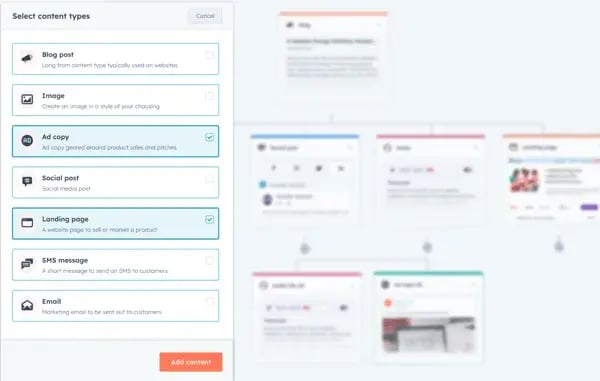
What I like: I test a lot of marketing tools, and I love how user-friendly HubSpot’s Content Hub is while still supporting so many essential functions. It not only makes onboarding easier, but it also makes you more eager to use the product. The price also makes it the most competitive tool on the market.
SegMetrics
SegMetrics is an attribution and reporting platform designed to help marketers understand which content and amplification efforts actually drive growth and revenue. Because amplification relies on distributing content across multiple channels, attribution is essential for closing the feedback loop and making data-led decisions.
Price: Starts at $57/month
Key SegMetrics features for content amplification:
- Multi-touch attribution to connect content and campaigns to revenue
- Integrations with major marketing, email, and ad platforms
- Customizable dashboards to visualize amplification performance
- Customer journey tracking across channels and touchpoints
- Revenue-focused reporting to prioritize high-impact amplification strategies
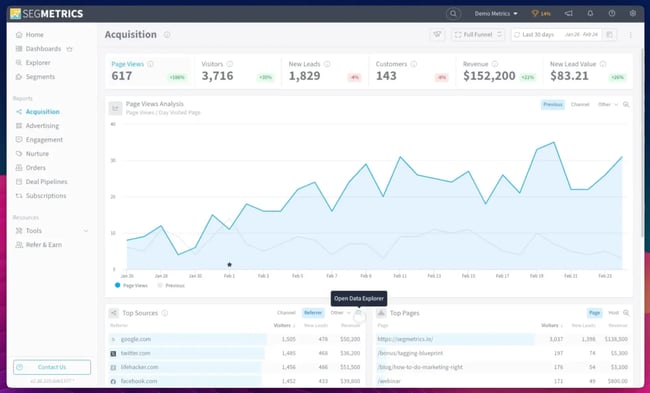
What I like: The amount of data gathered is really comprehensive, which can be overwhelming. But the dashboards are highly customizable and help make the data digestible and actionable.
BuzzSumo
BuzzSumo is a social listening tool that allows brands to analyze which topics and content formats are shared most before amplifying similar content. This is a marketing tool with many features, but the monitoring capabilities are particularly impactful for amplification.
Price: Starts at $159/month
Marketers can set an alert for these mentions:
- Brand
- Topics
- Competitors
- Products
These alerts can be set for your specific brand and products, or set broadly for industry-wide trends. This allows marketers to amplify content at the exact moment that something is trending. I really like the customizable trending topics feed for staying on top of emerging interests.
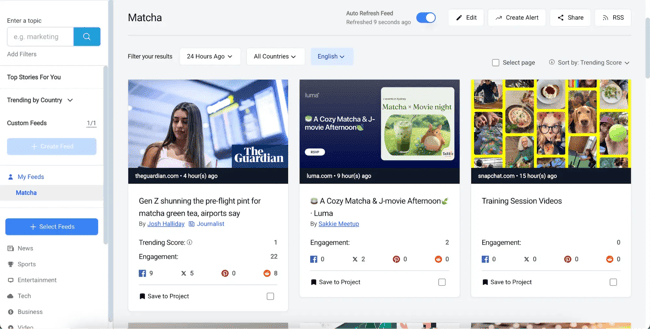
What I like: Marketers can analyze their own brand or their competitors (BuzzSumo calls this “competitor intelligence”). This is a great way to capitalize on the success of other brands’ experimentation.
Later
Later is a social media scheduling tool that syncs with all major social platforms. Beyond its scheduling capabilities, it helps teams identify content with above-average engagement and makes it easy to redistribute that content across platforms.
Price: Starts at $25/month
Key features for content amplification:
- Post scheduling across multiple social platforms from one dashboard
- Engagement analytics to identify high-performing content worth amplifying
- Visual content calendar to resurface and re-promote proven posts
- Easy content duplication and rescheduling across channels
- Performance insights to track reach and engagement over time
- Syncs with Meta Business Suite (next tool) for easy ads
What I like: Later makes it easier to repurpose and amplify your content across channels. I particularly like the visual aspect of the calendar. The analytics feature keeps tabs on your reach and engagement (but I do still recommend syncing with an attribution tool that also gathers website data).
Meta Ads Manager
Meta Ads Manager is a go-to tool for targeted ads. Its large audience reach, depth of first-party data, and retargeting capabilities make it especially effective for amplifying content.
Price: Free
Noteworthy features for content amplification:
- Retargeting audiences based on website visits, video views, and social engagement
- Custom and lookalike audiences to scale high-performing content
- Placement across Facebook and Instagram from a single campaign
- Frequency and budget controls to prevent audience fatigue
- Conversion and engagement reporting to evaluate amplification performance
How to Measure and Optimize Content Amplification
While content amplification can take many different forms, all strategies follow the same framework: sync data, define success metrics, choose which content to amplify, and reiterate. Here’s how to implement each step.
Step 1: Sync all data sources.
If a brand doesn’t have all of its data in one place, marketing can’t use it to guide amplification decisions. Check that these data sources are all active and running error-free:
- CRM or lead database
- Google Analytics
- Google Search Console
- Social media tracking pixels (Meta, LinkedIn, TikTok, etc.)
- Email marketing platform
- Reporting or attribution software
I‘ve found that many brands have holes in their data sources (like Google Analytics disconnected during a website migration), but aren’t aware. I recommend beginning this process with an audit so the team can move forward with confidence.
Step 2: Define amplification success metrics by funnel stage.
Amplification metrics change based on where the content sits in the sales funnel. Here are some examples of which metrics to track:
- Top-of-funnel: Reach, shares, saves, engagement rate
- Mid-funnel: Click-through rate, content-assisted conversions
- Bottom-funnel: Pipeline influenced, revenue attribution
This focus prevents teams from optimizing amplification solely around vanity metrics.
Step 3: Identify which content is worth amplifying.
Not all content deserves additional distribution. Use performance feedback to decide what to scale. Some signals to consider are:
- Above-average engagement or conversion rates
- Repeat interaction across channels
- Strong performance with a specific audience segment or format
The data gathered in step 1 eliminates guesswork, biases, and distractions.
Step 4: Review performance, iterate, and act.
Use amplification results to refine what you create, where you distribute it, and how you scale it next. This step closes the loop and feeds the next round of amplification decisions.
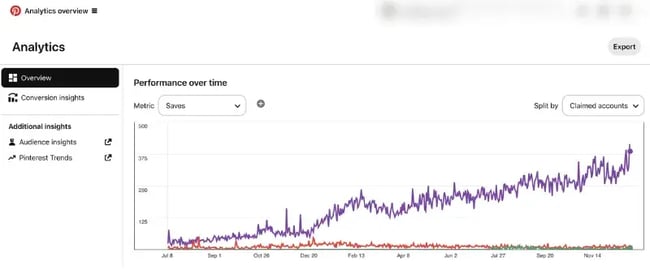
This is the exact strategy that I use when running my clients’ content marketing. Here’s an example from a Pinterest account that I manage. On Pinterest, organic user shares have far more weight in the algorithm than creator uploads. Because of this, I optimize the content for shares.
I looked at the content that was shared most by users and dedicated 75% of our content strategy to those top-performing formats (and leaving the other 25% of content for experimentation).
This strategy resulted in hundreds of user-generated shares per day, and took the account from 150,000 monthly impressions to consistent months of 1-2 million impressions and direct impact on lead generation.
Content Amplification Templates You Can Use Now
These HubSpot templates make it easier to repurpose content, plan distribution, and coordinate publishing across channels.
Content Planning Template
HubSpot’s content planning template provides a set of structured spreadsheets that span all four parts of the Marketing Loop: express who you are, tailor your approach, amplify your reach, and evolve in real-time. This birds-eye view helps teams survey their content ecosystem.
Some of the templates included are:
- Content mapping
- SWOT analysis
- Calendar scheduling
- Performance training
- Search engine optimization
- Audience segmentation
Content Creation Templates
HubSpot‘s free content creation templates support the creation of many pieces of content from a single concept. By enabling content to exist in multiple forms, it’s easier to amplify high-performing ideas across different platforms and audience preferences.
Some of the content formats included are:
- Case studies
- CTAs
- Infographics
- Blog posts
- Ebooks
- Social media graphics
- Presentations
- Press release

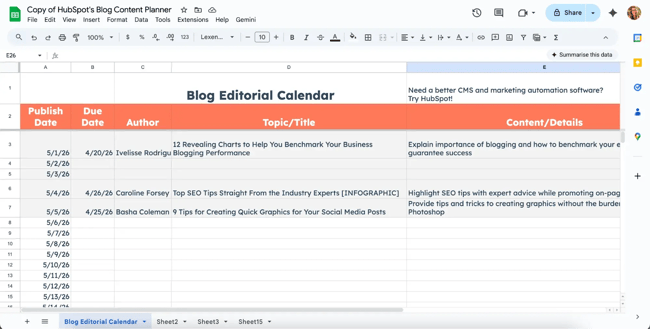
Editorial calendar templates
The editorial calendar templates help teams decide when and where content should be published. This supports amplification by coordinating distribution timing across channels, reducing overlap, and ensuring proven content is surfaced more than once.
The editorial calendar templates include:
- Content planning
- Blog planning
- Social media calendar
Content Amplification Examples You Can Steal
The following three brands successfully amplify diverse content across formats and channels. Here are some techniques worth stealing for your own strategy.
Popflex
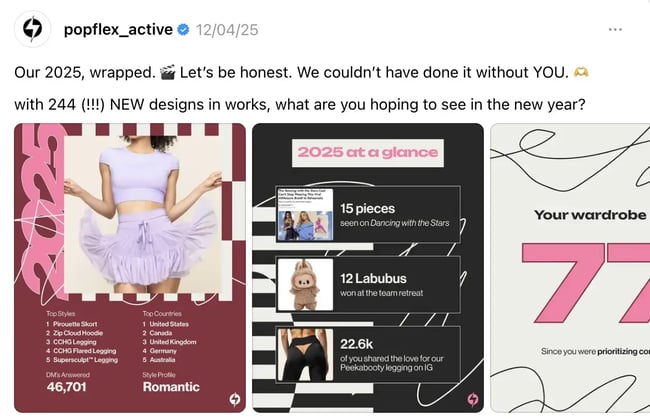
Popflex is an activewear brand that has amplification not only at the core of its social media marketing strategy, but also of its product development. Products are developed by founder Cassey Ho using social media surveys and comments. Development and behind-the-scenes processes are shared on social media, which creates a constant feedback loop that helps products and marketing materials evolve.
Here are three content amplification techniques from Popflex that I think are worth stealing:
- Feedback intake: Popflex asks users for input regularly in post comments and surveys
- Feedback action: Visible action is taken on the feedback, from showcasing input on Instagram stories to announcing a revised product that was tweaked with user input
- Founder visibility: Cassey Ho’s visibility as a founder amplifies the product, development process, and new releases
Canva
Canva is a web-based graphic design tool with a strong digital marketing presence across social media, email, and its website. With more than 9 million followers across platforms, Canva’s marketing team creates content that is unique to each platform, while also amplifying popular, trendy, and helpful content across multiple platforms and formats.
Here are three content amplification techniques from Canva that I think are worth stealing:
- Trends: Canva follows user signals to find the most popular trends heading into the new year
- Influencer marketing: The team amplifies content from social media influencers and users who feature their product in content, inspiring a community feeling
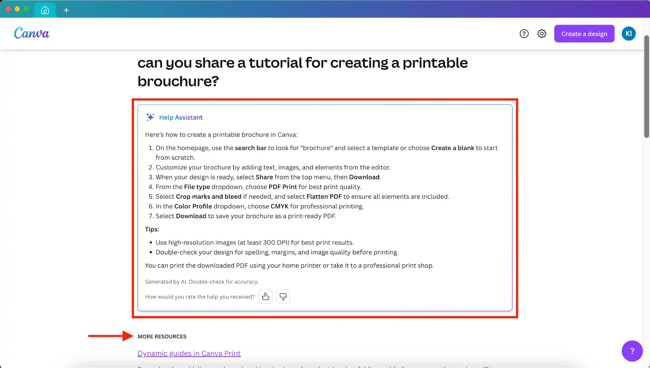
- Knowledge base: Canva’s knowledge base uses AI and semantic search to answer user questions, while also amplifying existing content within its knowledge base responses
Forme
Forme is a posture-correcting apparel brand that uses content amplification to build trust around a relatively unfamiliar product category. Rather than relying solely on brand-generated messaging, Forme amplifies third-party validation, customer education, and social proof across its marketing channels.
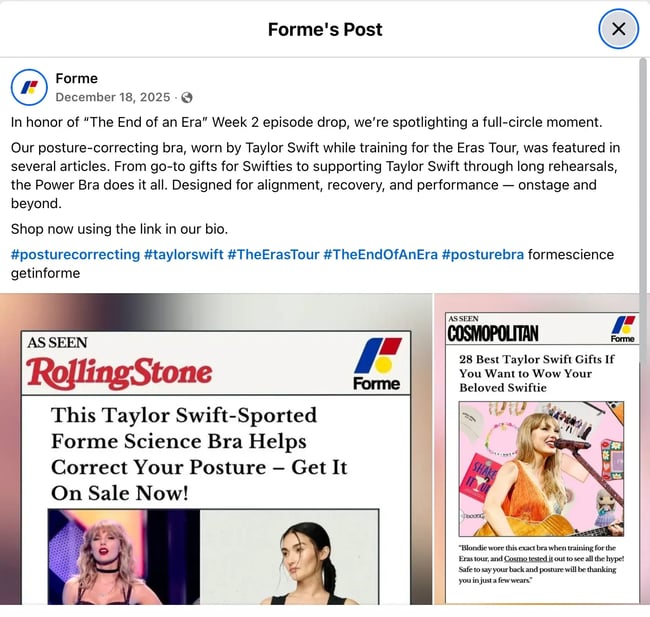
Here are three content amplification techniques from Forme that I think are worth stealing:
- Earned media: Taylor Swift wore their bra when training for the Eras Tour, and the brand amplified the moment across owned channels
- Customer proof: Reviews, testimonials, and real customer stories are surfaced across social media and product pages
- Influencer/creator amplification: Forme amplifies content from influencers and creators who feature the product organically and educate their followers about how it works
Frequently Asked Questions About Content Amplification
How much should I spend on paid promotion for content amplification?
There isn’t a fixed rule on how much paid advertising spend should be dedicated to content amplification. Ad spend should be safely divided between experimental content, evergreen campaigns, and amplifying high-quality content that has already performed well with tested audience segments.
How often should I repost or reshare the same content across channels?
The same content can be reposted or reshared across social media platforms weekly or monthly, depending on each platform‘s content lifespan and each brand’s publishing cadence. Rather than resharing the same asset everywhere at once, brands should rotate distribution across platforms, tailoring to each platform’s format, culture, and audience.
When should I gate content in an amplification campaign?
Do not gate content when amplification is intended to drive top-of-funnel reach and engagement. Gate content only when the goal shifts to capturing first-party data (like leads from retargeted or high-intent audiences) to feed the marketing loop.
What is the best way to attribute content amplification to pipeline?
The most effective way to attribute content amplification to pipeline is to combine UTM tracking, first-party analytics, and multi-touch attribution. This allows marketers to connect amplified content to downstream actions (like form fills, demos, or purchases) rather than relying solely on last-click attribution.
Which metrics matter most for social amplification?
It depends on the funnel stage. Top of funnel content should be measured for impressions, engagement, and shares. Content amplified for mid- or lower-funnel goals should be measured using lead generation, conversion rate, and pipeline or revenue influenced.
Scale Smarter With Content Amplification
Long gone are the days of circulating a press release to share your company‘s news. Marketers have to work harder than ever to earn viewers’ attention, retention, and conversion.
Thankfully, with a few specific frameworks, strategies, and tools, it‘s possible to scale smarter. HubSpot’s Content Hub offers all the tools brands need with ease and affordability. Try a demo today.








Last Comments